In the dark about fog lights? Allow us to shed some light on the subject
Fog lights are designed to aid visibility in, well, fog. The name may give the game away, but there is still some confusion surrounding when and how they should be used.
Aside from fog, fog lights are there to aid the driver in a number of low visibility condition where the standard head and taillights may be less effective. In this article we cover everything you need to know about fog lights, from when and how to use them, to the laws regulating their usage and placement.
Fog Light checklist
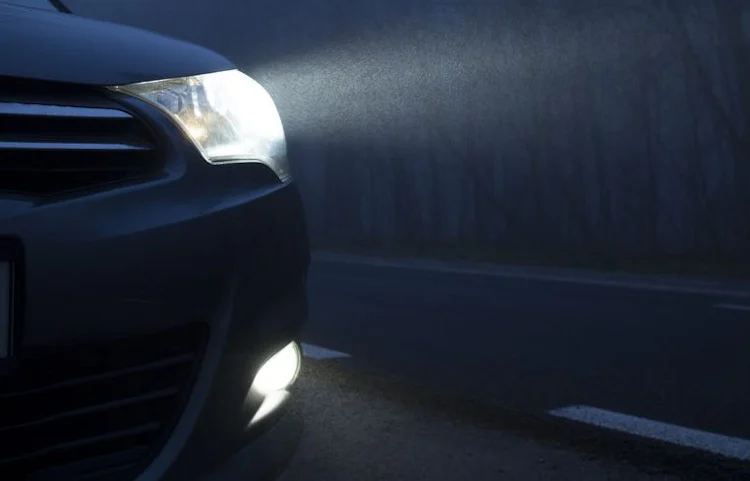
Fog lights are designed to aid visibility when bad weather conditions reduce your ability to see the road ahead. Front fog lights can cut through mist, fog, rain or even dust as they are mounted lower down than headlights in the front of the car.
Rear fog lights use very bright bulbs to cut through mist and fog to alert other road users of your presence.
Front fog lights tend to be mounted low down, below the headlights. They illuminate the road directly in front of the vehicle. It is not a legal requirement to have front fog lights, and many manufacturers don’t offer them on their base models, reserving them for higher trims.
Rear fog lights are integrated into the rear light cluster and shine directly rearwards, their job being to alert the vehicle behind you to your presence when visibility is poor. Having at least one rear fog lamp is a legal requirement in the UK, and it must be fitted to the centre or offside rear of a vehicle.
Daytime running lights (DRL) have been a legal requirement in the UK since 2011, however, these are not the same as fog lights and do not aid visibility in inclement weather conditions. They are always on and are meant to make your car more visible rather than provide extra illumination.