Wondering when to use your fog lights? Well, you’re not alone.
For some reason, it’s always been a bit of a grey area among drivers. To help clear the haze surrounding fog lights, we’ve put together a comprehensive guide to keep you safe during the winter months.
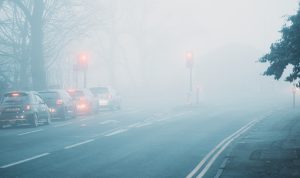
During the colder autumn and winter months, you should always check to see if your fog lights are working before setting off on any journey.
If your vehicle has automatic lights that come on during a low light level, you may need to manually turn your fog lights on as they don’t always do it automatically. The same principle applies to daytime running lights, as a lot of vehicles with this feature won’t actually turn on the rear lights.
You’ll also need to make sure that your wiper blades are in good working order so that you can keep your windscreen clear and demisted.
Using fog lights can also reduce the likelihood of interior condensation, fogging and steaming from impeding your vision out of your windscreen.
Alternatively, if you’re struggling to see clearly in front of you, reduce your speed or consider pulling over in a safe place until the fog has cleared in front of you.
If you’re unfortunate enough to break down during foggy conditions, be ready for every scenario with the Breakdown & Emergency Kit.
As well as containing essentials like a tow rope, foot pump and booster cables, you’ll also have a weatherproof torch (including batteries) and a hazard warning triangle to ensure you’re visible to other drivers.

The Highway Code has clear guidelines for what you should do when driving in fog. These include points such as:
In terms of your fog lights, the Code states that you should only use them when your visibility is seriously reduced (to 100 metres or less) and that they must be switched off when visibility improves. If you don’t follow this guidance, you could put other drivers at risk.
In fact, the Road Vehicles Lighting Regulations 1989 strictly prohibits the use of front and rear fog lights when it’s not needed as it can dazzle other drivers. This includes using them in light drizzle and rain, so it’s an important one to bear in mind.
If you’re stopped by the police with your fog lights on when they shouldn’t be, you could face a driving fine. On the other hand, if you’re involved in a car accident when you should have had them on, your insurance company may invalidate your claim.
That’s why it’s important to use your fog lights correctly and consider getting a vehicle which displays a fog light on the dashboard when it’s needed.